 Medically Reviewed By: Dr Paul Lim – MBBS, M.Med (Int Med), MRCP (UK), FAMS (Cardiology)
Holter Monitor 24-Hour ECG Monitoring in Singapore
A Holter monitor is a small, portable ECG worn for 24 hours or longer. It records your heart's electrical activity as you go about daily life. By capturing every beat at work, at rest and asleep, it catches intermittent rhythm problems a brief resting ECG can miss. Symptoms that never appear at the clinic? This is how they get caught. Dr Paul Lim is a patient listener, and will go through everything the monitor recorded with you.
Reviewed by Dr Paul Lim Chun Yih
Senior Consultant Cardiologist

Clinical Experience
Your Holter Recording Is Reviewed by Dr Paul Lim
Senior Consultant Cardiologist & Cardiac Electrophysiologist
Dr Paul Lim is a Senior Consultant Cardiologist who reviews and reports your Holter recording as part of a full cardiac assessment, and explains the findings to you directly. He completed advanced fellowship training at Barts Heart Centre, London under Singapore’s HMDP award.
- MBBS (Singapore)
- M.Med (Int Med)
- MRCP (UK)
- FAMS (Cardiology)
- Fellow, European Society of Cardiology (FESC)
- Fellow, American College of Cardiology (FACC)
- Fellow, Heart Rhythm Society (FHRS)
What Is a Holter Monitor?
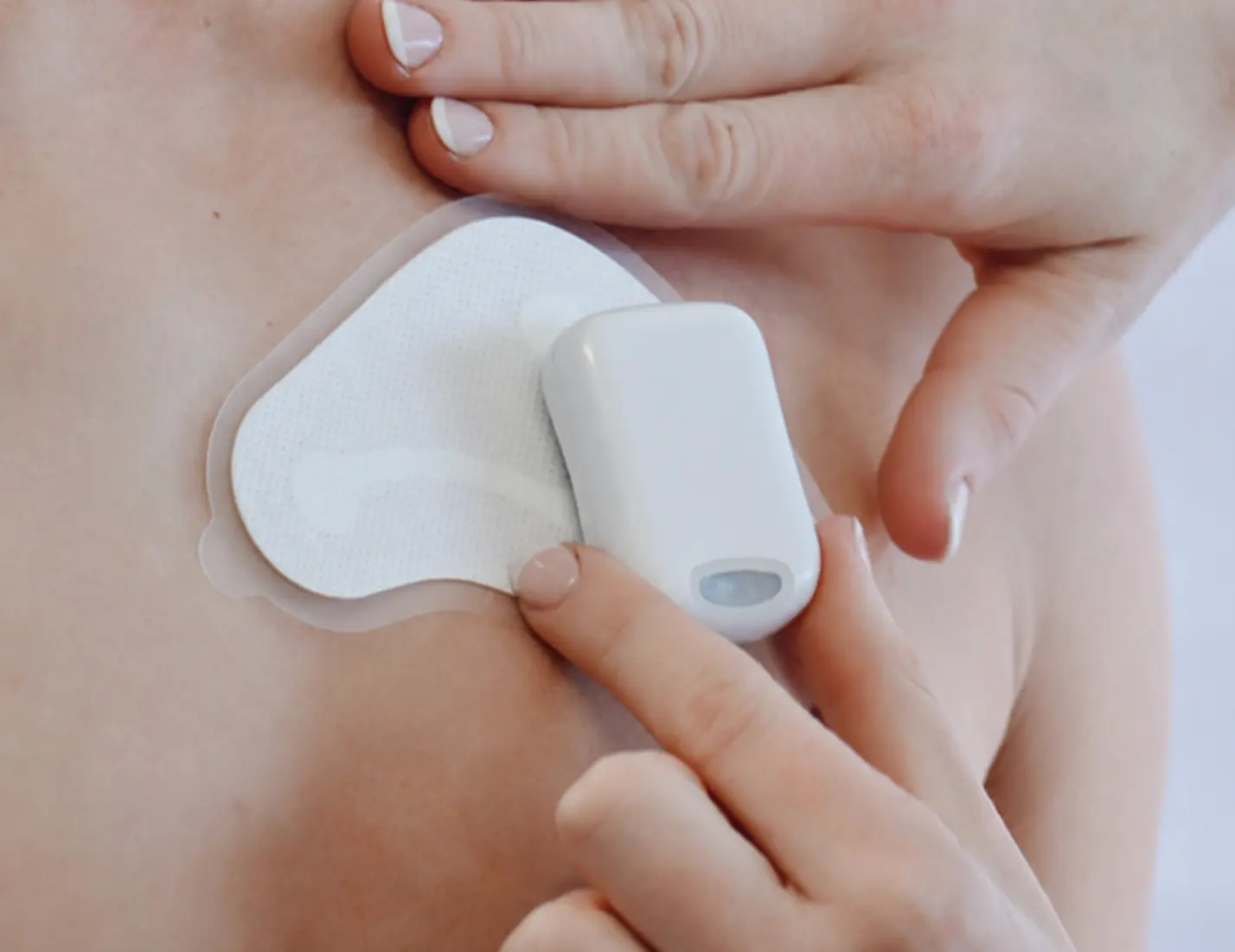
A Holter monitor is a type of ambulatory electrocardiogram (ECG) — “ambulatory” simply means it records while you move around. A small recording device is attached to the skin via one or more patch electrodes.
Unlike a standard resting ECG, which captures only about ten seconds of heart rhythm, a Holter monitor records continuously for 24 hours or more. This makes it well suited to catching intermittent rhythm problems — such as atrial fibrillation or extra beats — that may not appear during a brief recording in the clinic.
What a Holter Monitor Shows
By recording every heartbeat over a full day, a Holter monitor helps a heart rhythm specialist assess:
- Whether your heart rhythm is too fast, too slow or irregular, and exactly when
- Atrial fibrillation and atrial flutter, including episodes that come and go
- Extra or skipped beats (ectopic beats, such as PACs and PVCs)
- Supraventricular tachycardia (SVT) and other fast rhythms
- Pauses, slow rhythms or heart block that can cause dizziness or blackouts — and may need a pacemaker
- How well a known rhythm condition, or its medication, is being controlled
- Whether your symptoms line up with your heart rhythm at the moment they occur
It is commonly recommended for palpitations, unexplained dizziness or fainting, to investigate a suspected arrhythmia after a normal — or an abnormal — resting ECG, and to follow up known heart conditions or treatment, such as after a catheter ablation. If your symptoms are too infrequent to be captured even over several days, a longer-term implantable loop recorder may be recommended instead. Learn more about irregular heartbeats.
What to Expect
Wearing a Holter monitor is simple and fits around your normal routine.
- Fitting takes about 15–20 minutes. A female professional cleans a few spots on the chest, attaches small sticky electrodes and clips on the recorder.
- Men with a hairy chest may have small areas shaved so the electrodes make good contact.
- You then go about your day as normal — work, walking, light exercise and sleep. That is exactly what the test is designed to capture.
- Keep a short diary of any symptoms (palpitations, dizziness, breathlessness) with the time they happen, plus activities such as exercise or sleep, so we can match them to the recording. Some devices allow you to double tap the device to record a symptom event.
- You can shower. Modern day patch Holters are designed to be water resistant and allow you to take showers. Try to take short showers and pat the device dry — do not submerge the device in water.
- After 24 hours (or the assigned period) you return the device. The recording is downloaded and analysed, and Dr Paul Lim reviews and reports the findings.
Why Do Your Holter Monitor with Us?
Female Professionals
The Holter monitor is fitted by female healthcare professionals.
Reviewed by a Cardiologist
Your recording is interpreted and reported by Dr Paul Lim, a Senior Consultant Cardiologist.
Friendly & Caring Service
Our team takes the time to put you at ease and explain your results clearly, so you leave understanding what they mean.
Transparent Pricing
Our consultation and monitoring fees are published below, so you know the cost before you book.
Prompt Appointments
Fittings are usually arranged without a long wait.
Two Locations
Available at our Jurong and Orchard clinics.
Think you may need a Holter monitor? Speak with Dr Paul Lim.
Holter Monitor Cost in Singapore
All fees are inclusive of GST and vary by clinic location.
| Service | Price |
|---|---|
| Test | |
| Holter Monitor — first 24 hours (Jurong) | S$272.50 |
| Holter Monitor — first 24 hours (Orchard) | S$381.50 |
| Holter Monitor — each additional 24 hours | S$54.50 |
| Consultation | |
| First Consultation with Cardiologist (Jurong) | S$130.80 |
| Follow-up Consultation with Cardiologist (Jurong) | S$98.10 |
| First Consultation with Cardiologist (Orchard) | S$218 |
| Follow-up Consultation with Cardiologist (Orchard) | S$163.50 |
A consultation with the cardiologist is required so the test can be properly indicated and the results explained. If you already have a referral letter from another doctor, the Holter monitor can be arranged without a separate consultation.
Book a Holter Monitor Appointment
Arrange a 24-hour or extended Holter recording to capture a rhythm a standard ECG may miss.
Send Us a Message

Where to Get a Holter Monitor in Singapore

Opening Hours
| Monday – Friday | 8:30 AM – 5:30 PM |
| Saturday | 8:30 AM – 12:30 PM |
| Sunday & Public Holidays | Closed |
By Appointment Only
Holter Monitor FAQ
What is a Holter monitor?
A Holter monitor is a small, portable ECG device worn for 24 hours or longer. Electrodes on the chest connect to a lightweight recorder that continuously captures your heart's electrical activity as you go about daily life, so a cardiologist can review your heart rhythm over a full day.
How is a Holter monitor different from a standard ECG?
A standard resting ECG records only about ten seconds of heart rhythm in the clinic. A Holter monitor records continuously for 24 hours or more, which makes it far better at catching intermittent problems — such as atrial fibrillation or extra beats — that may not appear during a brief recording.
What can a 24-hour Holter monitor detect?
It can detect a heart rhythm that is too fast, too slow or irregular, including atrial fibrillation, atrial flutter, supraventricular tachycardia, extra or skipped beats, and pauses or heart block. It also shows whether symptoms such as palpitations or dizziness line up with your heart rhythm at the time.
How long do I wear the Holter monitor?
The standard recording is 24 hours. If your symptoms are less frequent, monitoring can be extended in further 24-hour blocks to improve the chance of capturing an episode.
Can I shower, sleep and go about daily life while wearing it?
You should carry on with your normal routine — work, walking, light exercise and sleep — as this is exactly what the test is designed to capture. You can wear a bra and normal clothing over the device. Modern day patch Holters are designed to be water resistant and allow you to take showers. Try to take short showers and pat the device dry. Do not submerge the device in water.
Does it hurt, and how should I prepare?
No. Fitting the monitor is painless and uses no radiation — it simply records your heart's own electrical signals. Arrive showered, and avoid lotions, oils or powder on the chest so the electrodes stick well. Men with a hairy chest may have small areas shaved for good contact.
Will a woman fit the monitor?
Yes. The Holter monitor is fitted by female professionals.
How much does a Holter monitor cost in Singapore?
At our clinic the first 24 hours of Holter monitoring is S$272.50 at our Jurong clinic and S$381.50 at Orchard, with each additional 24 hours at S$54.50, inclusive of GST. A cardiologist consultation is also required (S$130.80 first / S$98.10 follow-up at Jurong; S$218 first / S$163.50 follow-up at Orchard, inclusive of GST). See the fee table above.
Who interprets the results?
The recording is reviewed and reported by Dr Paul Lim, a Senior Consultant Cardiologist, and the findings are explained to you during your consultation.