Unexplained Fainting (Syncope)
The most common reason. When someone faints and the cause is unclear, an ILR can show whether a dangerous pause or abnormal rhythm is to blame, or rule the heart out as the cause.
 Medically Reviewed By: Dr Paul Lim – MBBS, M.Med (Int Med), MRCP (UK), FAMS (Cardiology)
An implantable loop recorder — also called an ILR or 植入式循环记录仪 (zhírùshì xúnhuán jìlùyí) — is a small monitor placed just under the skin of the chest. It watches your rhythm day and night for up to about three years. It records but does not treat, so an infrequent problem such as unexplained fainting can finally be captured. Tired of episodes that never show up on a test? Dr Paul Lim will explain how this one catches them, patiently.
Dr Paul Lim Chun Yih
Senior Consultant Cardiologist & Electrophysiologist

Senior Consultant Cardiologist & Cardiac Electrophysiologist
Dr Paul Lim subspecialises in heart rhythm disorders, performing implantable loop recorder insertion, catheter ablation, and pacemaker and defibrillator procedures for arrhythmia patients. He completed advanced fellowship training at Barts Heart Centre, London — one of Europe’s largest heart rhythm centres — under Singapore’s HMDP award.
An implantable loop recorder (ILR) is a small electronic heart monitor — about the size of a slim USB stick or a small key — that is placed just beneath the skin of the chest, usually to the left of the breastbone. Once in place, it works quietly in the background, continuously recording your heart’s electrical activity (your ECG) for up to about three years.
It is called a “loop” recorder because it records in a continuous loop, constantly overwriting the oldest data while keeping a rolling memory of your heart rhythm. When something abnormal happens — or when you press the hand-held activator because you feel unwell — the device saves a snapshot of the ECG from just before, during, and after the event. This lets Dr Lim line up your symptoms with what your heart was actually doing at that exact moment.
The key point to understand is that an ILR is a diagnostic tool. It is also known as an insertable cardiac monitor (ICM). It does not connect to the heart with wires, it does not deliver any electrical therapy, and it does nothing to change your heart rhythm. Its only job is to listen, record, and report — so that the right diagnosis can be made, and the right treatment planned if one is needed.
In Singapore, an implantable loop recorder is inserted by a heart rhythm specialist during a short procedure under local anaesthetic.
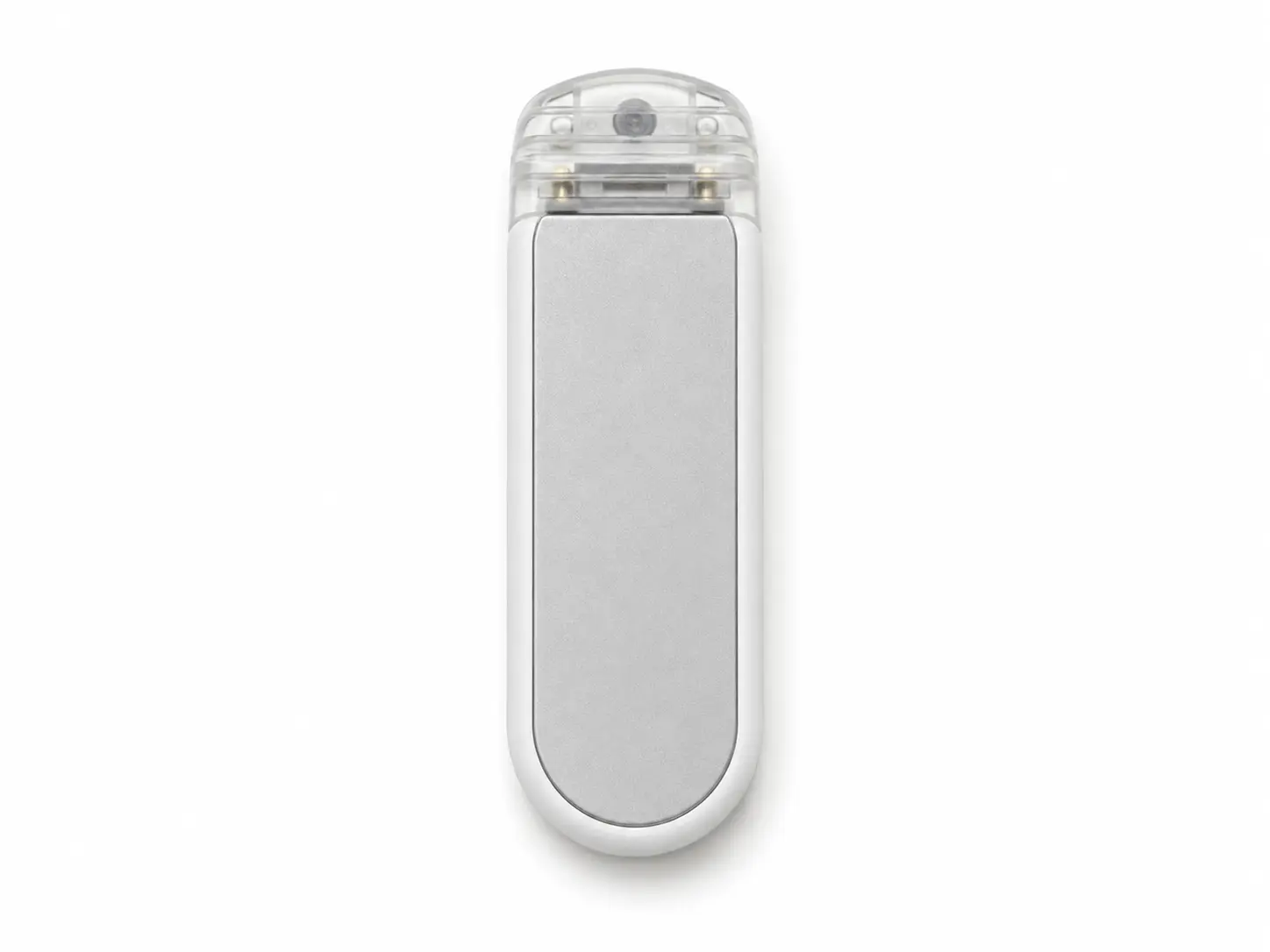
An ILR is most useful when symptoms are infrequent or unpredictable — coming perhaps once a month, or once every few months — so that shorter-term monitors are likely to miss the moment. By recording continuously for years, it greatly improves the chance of capturing a rare event. Common reasons include:
The most common reason. When someone faints and the cause is unclear, an ILR can show whether a dangerous pause or abnormal rhythm is to blame, or rule the heart out as the cause.
When episodes of a racing, pounding, or skipping heartbeat are too brief or too occasional for a Holter monitor to record.
After a cryptogenic stroke, an ILR is used to look for silent atrial fibrillation — an irregular rhythm that can come and go without symptoms. Finding it changes treatment.
To detect AF, judge how often it occurs (“AF burden”), or check how well treatment — such as catheter ablation or medication — is working.
Episodes of dizziness or unexplained falls thought to have a possible heart-rhythm cause.
In selected patients — for example, monitoring certain inherited heart-rhythm conditions, or when other tests have been inconclusive.
A specialist assessment — including a consultation, an ECG, and often a 2D echocardiogram or a Holter monitor first — decides whether an ILR is the right next step.
An ILR records your heart rhythm in three complementary ways, so that important events are captured whether or not you feel them:
Dr Lim reviews the transmitted recordings, looks for any rhythm that explains your symptoms, and uses the findings to confirm a diagnosis and plan treatment if it is needed.
Been told you may need a loop recorder? Discuss your options with Dr Paul Lim.
Several devices can record your heart rhythm. The right one depends mainly on how often your symptoms occur — the rarer the symptom, the longer the monitor needs to run.
| Monitor | How long it records | Worn / placed | Best for |
|---|---|---|---|
| Standard (resting) ECG | About 10 seconds | Stickers on the chest, in clinic | A snapshot of the rhythm at that moment |
| Holter monitor | 24 hours to a few days | External, worn on the body | Symptoms that occur most days |
| Patch / event monitor | About 1 to 4 weeks | External, stuck to the chest | Symptoms occurring every week or two |
| Implantable loop recorder (ILR) | Up to about 3 years | Implanted under the skin | Rare, unpredictable symptoms a shorter monitor would miss |
| Smartwatch / consumer wearable | On demand, when you check | Worn on the wrist | A general wellness signal — not a continuous medical-grade diagnosis |
In short: a Holter or patch is ideal for frequent symptoms and needs no procedure, while an ILR is reserved for infrequent symptoms, where its continuous, multi-year recording is worth a minor insertion. A smartwatch can prompt someone to seek review, but it is not a substitute for a medical diagnosis.
No. This is the most common point of confusion, because both are small implanted heart devices. The difference is fundamental: an ILR only monitors, whereas a pacemaker or defibrillator treats.
| Implantable loop recorder (ILR) | Pacemaker / ICD | |
|---|---|---|
| What it does | Records the heart rhythm to make a diagnosis | Treats the heart — paces a slow rhythm, or shocks a dangerous one |
| Wires in the heart | None — it sits under the skin only | Yes — leads run into the heart |
| Delivers therapy? | No, never | Yes |
| Why it’s placed | To find out what is happening | To fix a known rhythm problem |
So an ILR is often the device that comes first — it gathers the evidence. If it shows that the heart pauses or beats dangerously slowly, the next step may be a pacemaker; if it reveals a dangerous fast rhythm, an implantable cardioverter defibrillator (ICD) may be discussed. Many people who have an ILR never need either — the recorder simply provides the answer, and is later removed.
Your suitability is decided during a consultation. An ILR is generally considered when:
It is also used after a cryptogenic stroke to search for hidden atrial fibrillation, and to monitor known arrhythmias over the long term.
An ILR may be less suitable if your symptoms are frequent enough to be caught by a shorter, non-invasive monitor first — in which case Dr Lim will usually start there. Because it is a very small device placed under the skin with a local anaesthetic, it is suitable for most adults, including many who would prefer to avoid a more involved procedure.
Inserting an ILR is a short, minor procedure — often called an insertion rather than surgery, because there are no cuts into the heart and no wires placed in the veins. It is done under local anaesthetic, so you stay awake.
Before the procedure: You usually do not need a long fast or a hospital stay. Dr Lim confirms the plan, and the upper-left chest is cleaned and numbed.
A small amount of local anaesthetic is injected to numb a small area on the upper-left chest, near the breastbone. You stay awake; you may feel pressure or pushing, but not pain.
A very small cut, usually about 1 cm, is made in the numbed skin.
The loop recorder is inserted just under the skin (above the muscle and bone) using a small applicator. Nothing enters the heart or the bloodstream.
The small incision is closed, usually with a dissolvable stitch or skin closure strips, and a dressing is applied. The device is then checked to confirm it is recording.
The whole procedure usually takes only about 15 to 20 minutes. You are shown how to use the hand-held activator and the bedside transmitter before you go home the same day.
Most people recover quickly. Here is what to expect after an uncomplicated insertion.
You go home the same day. There is a small dressing over the insertion site; mild soreness or bruising is normal.
Keep the site clean and dry as advised. Some tenderness or a small bruise around the device is common and settles on its own.
Avoid heavy lifting or vigorous arm and chest exercise on that side while the site heals, and follow the wound-care advice you are given.
Most people return to normal daily activities and desk-based work quickly.
Keep the bedside transmitter plugged in by your bed so recordings are sent automatically, and press your activator whenever you have symptoms. Attend any scheduled remote checks or clinic reviews.
Once healed, the device is barely noticeable. You may be able to feel a small bump under the skin, but it should not interfere with normal movement or daily life.
Have questions about loop recorders? Dr Paul Lim is happy to help.
An ILR is designed to be unobtrusive. Common everyday questions:
If you are ever unsure, your clinic team can advise on a specific activity.
An ILR is not permanent. Its battery lasts up to about three years (some newer models longer), and it stays in only until one of two things happens:
Removal is even simpler than insertion: under local anaesthetic, a tiny incision is made over the device and it is eased out, usually in just a few minutes as a day procedure. Some people choose to leave a non-functioning device in place if it is causing no problems — Dr Lim will discuss what is right for you.
ILR insertion is a common, low-risk procedure, and serious complications are uncommon. Because the device sits only under the skin — with no wires in the heart and no electrical therapy — it cannot affect how your heart beats. The main risks relate to the small insertion site:
A loop recorder does not interfere with everyday electronics and is compatible with normal life. Dr Lim will discuss your individual risks and obtain written informed consent before the procedure.
Several manufacturers make implantable loop recorders (also marketed as insertable cardiac monitors). They work in the same way; the main differences are size, battery life, and the monitoring app or system used.
Dr Lim will choose a device suited to your needs and explain the monitoring system that comes with it. The principle is identical regardless of brand: continuous recording, automatic detection of abnormal rhythms, patient-activated recording, and secure remote transmission to the clinic.
Book a consultation about long-term monitoring for symptoms that come and go.
| Monday – Friday | 8:30 AM – 5:30 PM |
| Saturday | 8:30 AM – 12:30 PM |
| Sunday & Public Holidays | Closed |
By Appointment Only
Answers to the questions patients ask most often about loop recorders, the procedure, and living with one.
An implantable loop recorder (ILR), also called an insertable cardiac monitor, is a small heart monitor placed just under the skin of the chest. It continuously records your heart rhythm for up to about three years so that an infrequent or fleeting problem — such as unexplained fainting or palpitations — can be captured and diagnosed. It records the rhythm but does not treat it.
It is mainly used to investigate unexplained fainting, occasional palpitations, or dizziness when the episodes are too infrequent for a 24-hour Holter monitor or a one-to-two-week patch to catch. It is also used after a stroke of unknown cause to look for silent atrial fibrillation, and to monitor known arrhythmias over time.
No. A pacemaker treats a slow heartbeat by sending electrical impulses through wires in the heart. A loop recorder only monitors and records the rhythm — it has no wires in the heart and delivers no therapy. An ILR is often placed first to find the diagnosis; a pacemaker is only fitted if the recordings show one is needed.
Under local anaesthetic, a very small incision (about 1 cm) is made on the upper-left chest, and the device is slipped just under the skin using a small applicator. Nothing enters the heart. The whole procedure takes only about 15 to 20 minutes, and you go home the same day.
You stay awake. The area is numbed with local anaesthetic, so you may feel pressure or pushing but not pain. Afterwards, some tenderness or bruising at the site is normal and soon settles.
It is not permanent. The battery lasts up to about three years, and the device is removed once it has captured the information needed, or when the battery runs low. Removal is a quick procedure under local anaesthetic.
Under local anaesthetic, a small cut is made over the device and it is eased out — usually in just a few minutes as a day procedure, even simpler than the insertion.
Modern loop recorders are MRI-conditional, which means you can usually still have an MRI scan as long as the radiography team follows the device’s specific conditions. Always tell staff you have a loop recorder before any scan.
Yes. You can fly normally (carry your device card for airport security), and once the wound has fully healed you can shower, bathe, and swim as usual. Follow the wound-care advice while the site is still healing.
The device itself does not stop you driving. Any driving restriction relates to your symptoms — for example, after a fainting episode — rather than the recorder. Dr Lim will advise you based on your situation.
It records automatically when it detects an abnormal rhythm, and you can also press a hand-held activator when you feel a symptom. A small bedside transmitter then reads the device and sends the recordings securely to the clinic for Dr Lim to review.
A Holter monitor is worn externally for 24 hours to a few days and needs no procedure — ideal for frequent symptoms. A loop recorder is implanted and records continuously for up to about three years — reserved for infrequent symptoms that a Holter would miss.
Yes. Insertion is a common, low-risk day procedure. Because the device sits under the skin with no wires in the heart, it cannot affect your heartbeat. The main risks are minor — bruising, and occasionally infection at the small insertion site.
The MOH surgeon fee benchmark for inserting or removing a loop recorder (TOSP SD720H) is S$926.50 – S$1,526 with GST (S$850 – S$1,400 before GST). The device itself and the day-surgery facility charge are billed separately, and the device is usually the largest part of the cost. The procedure is MediSave claimable and usually covered by Integrated Shield Plans. View MOH benchmark →